A quarter of the world’s crops depend on water systems that fail every day. When pipes crack and leak, less water reaches farms, crops die, and food supply shrinks. The crisis above ground starts with infrastructure below it.
When municipal systems shut off intermittently, pressure drops to zero. This creates a vacuum that transforms cracked pipes into straws, sucking surrounding sewage and contaminated groundwater directly into the clean water supply.
Most pipe networks were built 50–100 years ago. Full replacement would cost trillions and take decades. Traditional excavation costs $10,000–$15,000 per repair, consuming entire maintenance budgets on a handful of leaks.
A single undetected pipeline leak at an industrial processing facility can halt production entirely, costing the operator $50,000–$200,000 per day in downtime and emergency repair logistics.
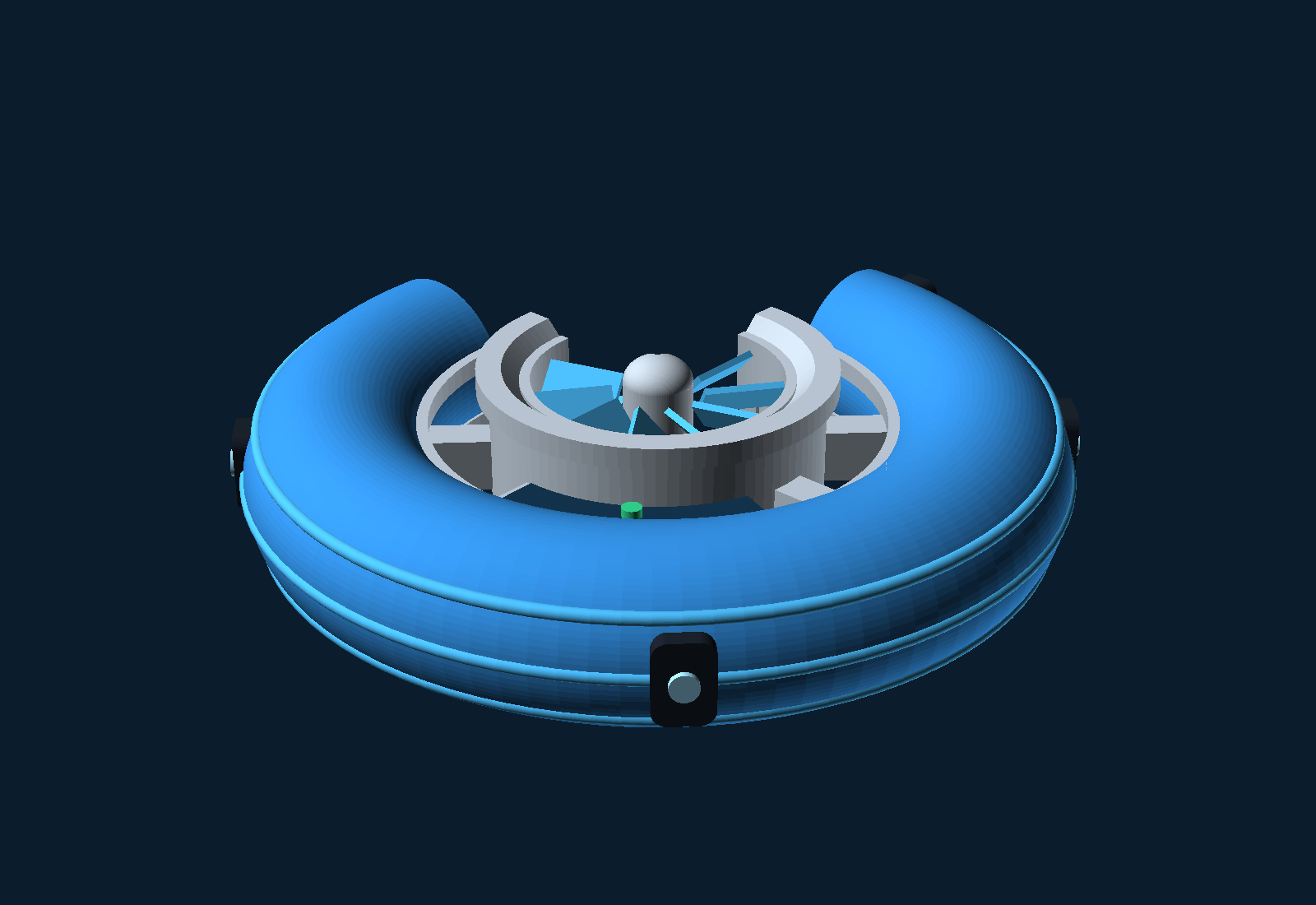
We are developing O-Seal: an autonomous capsule that travels through live water systems, detects leaks using onboard sensors, and seals them in real time. No excavation, no service interruption, at a fraction of traditional repair costs.

Sealing leaks at scale could recover billions of cubic meters of treated water annually, directly benefiting food and supply security.
In-pipe repair eliminates excavation expenses, reducing repair costs by up to 80% compared to conventional methods.
No street closures, no service shutoffs, no weeks of construction noise. Communities stay connected throughout the repair.
Swarm deployment enables rapid coverage of complex pipe networks, making broad infrastructure resilience achievable.