Autonomous Water Infrastructure
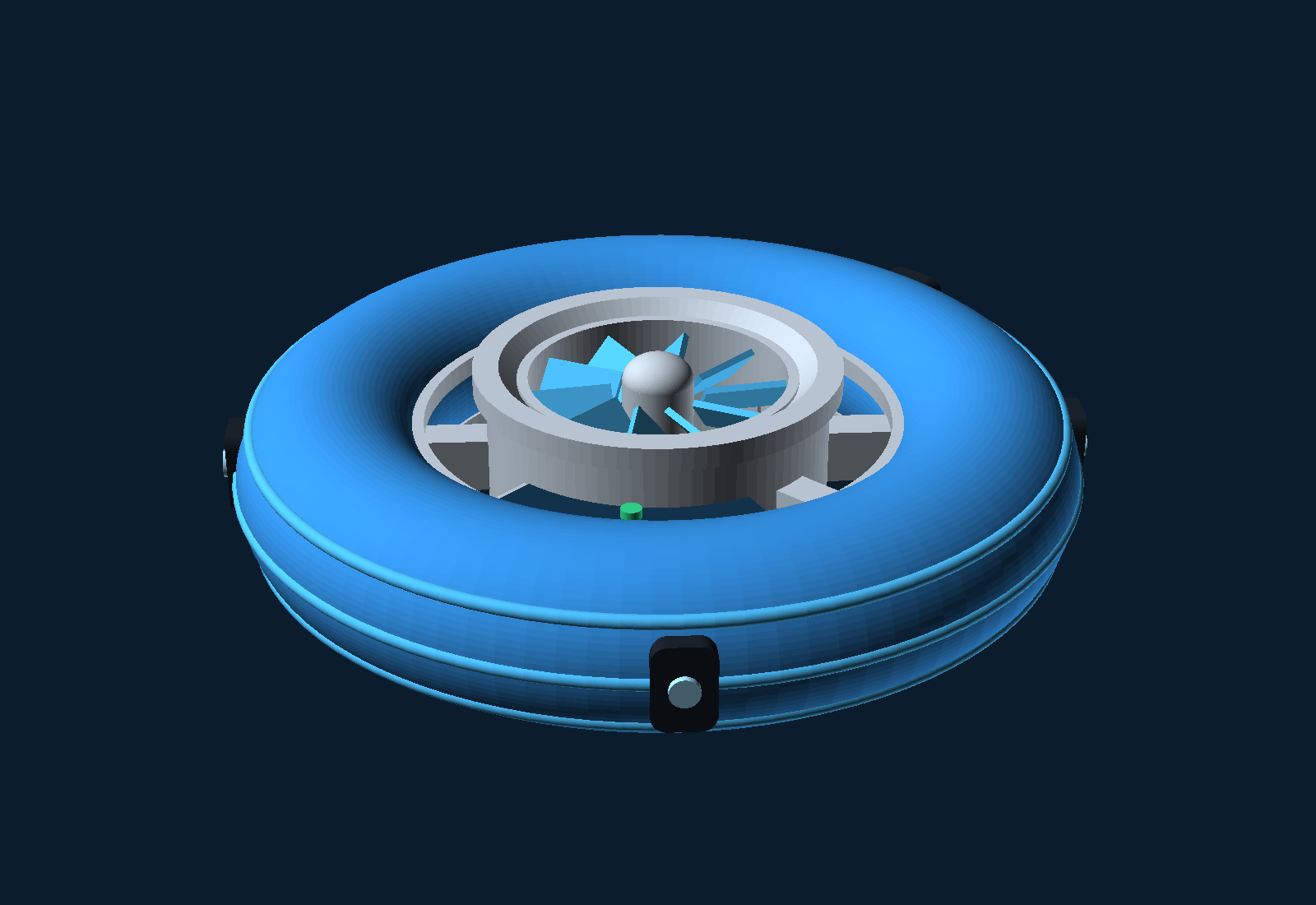
An autonomous in-pipe capsule that detects and seals leaks in live water systems. No excavation. No service shutdown.

Municipal utilities worldwide spend over $180 billion annually on reactive maintenance and water loss management. Each traditional excavation repair costs $10,000–$15,000 and can consume half a rural district’s entire annual budget.
Traditional repairs require excavation, weeks of disruption, and a complete service shutdown. O-Seal is projected to fix leaks for under $1,000, dropping to $400 at scale,* with zero service interruption.

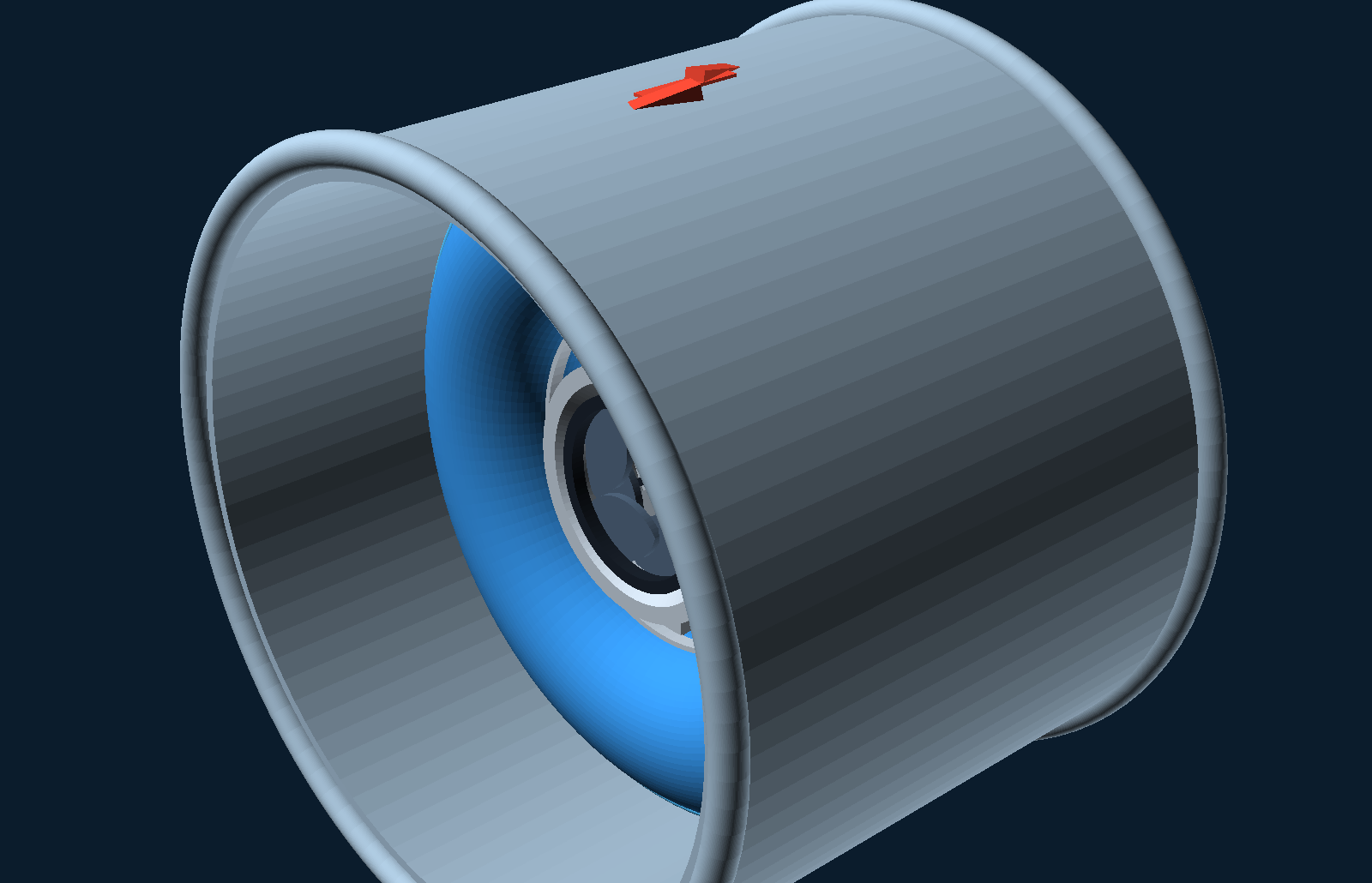
O-Seal operates entirely within the pressurized pipe. No digging, no lane closures, no service interruption.
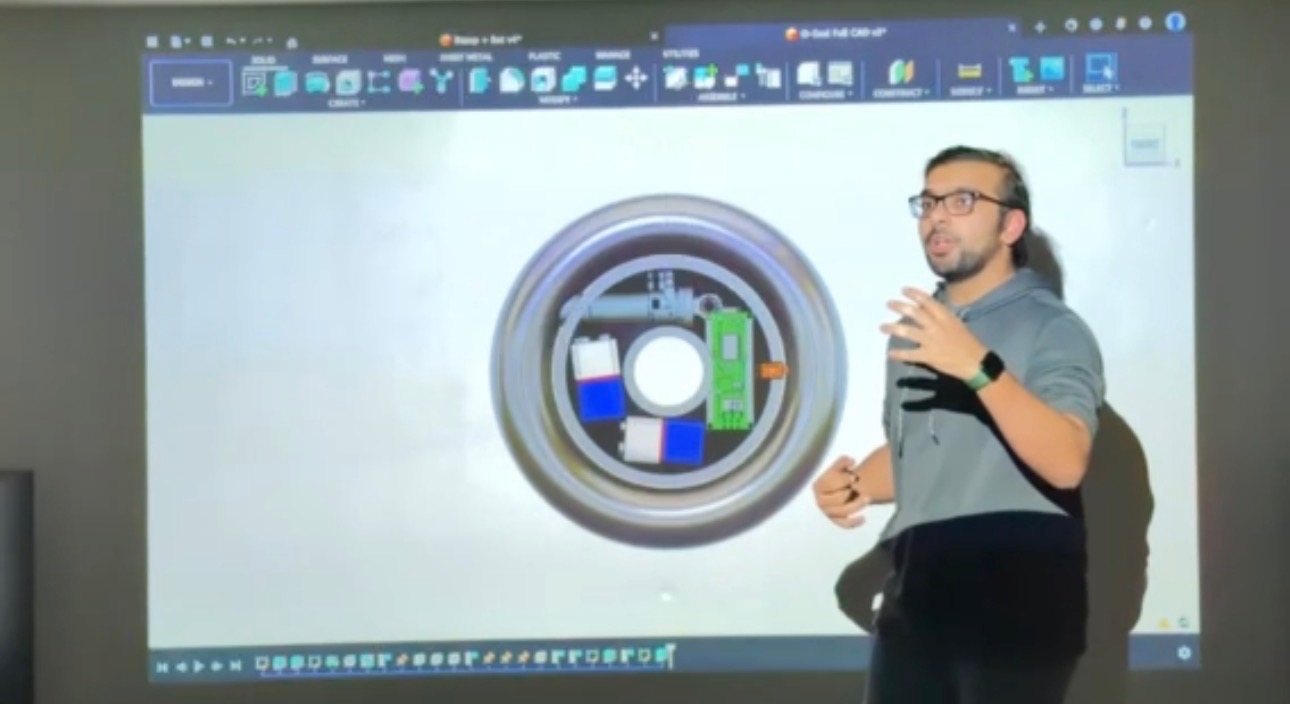
Onboard pressure sensors detect a leak signature, the capsule positions itself, and the seal deploys autonomously.
Lightweight capsules are inserted through existing access points and deployed in swarms to cover complex networks.
Pressure sensors sample hundreds of times per second. A physics-informed neural network differentiates a pipe crack from normal flow noise and pinpoints the breach location.* The PINN is trained on fluid-dynamics simulation; real-pipe detection accuracy is projected until field-tested.
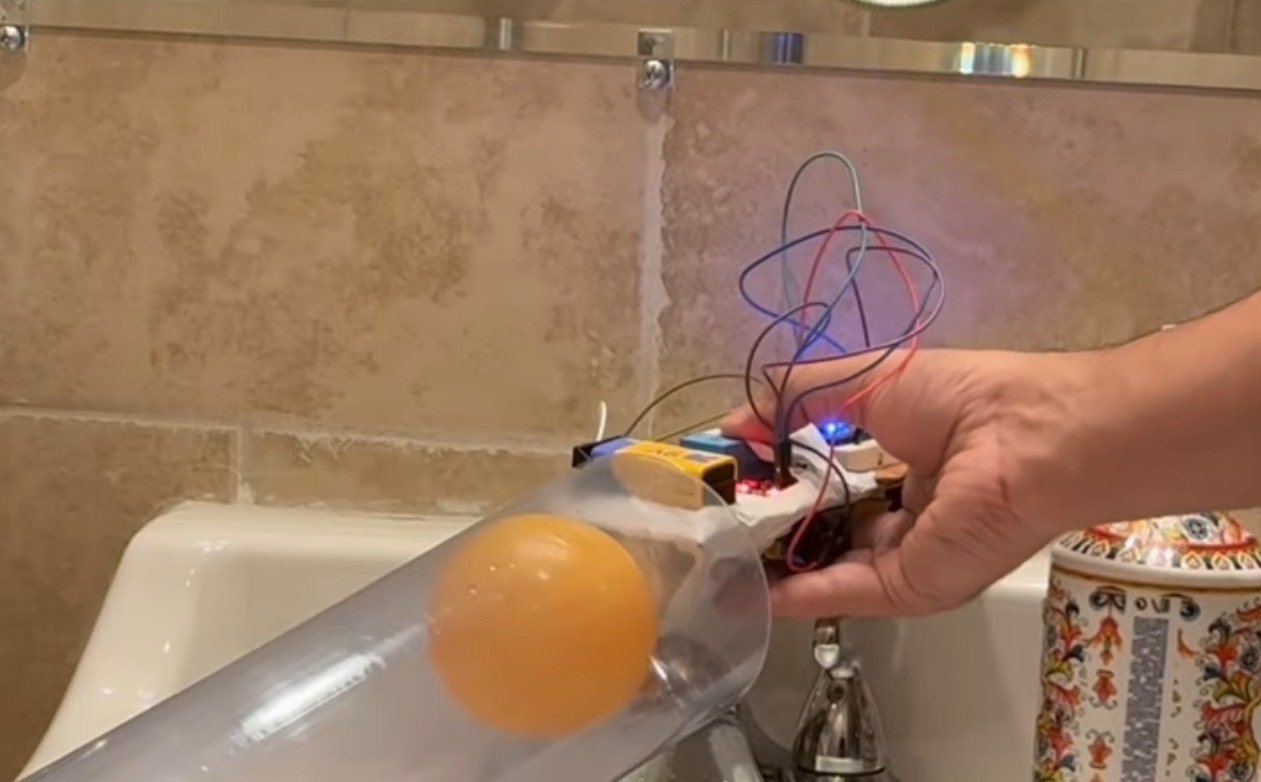
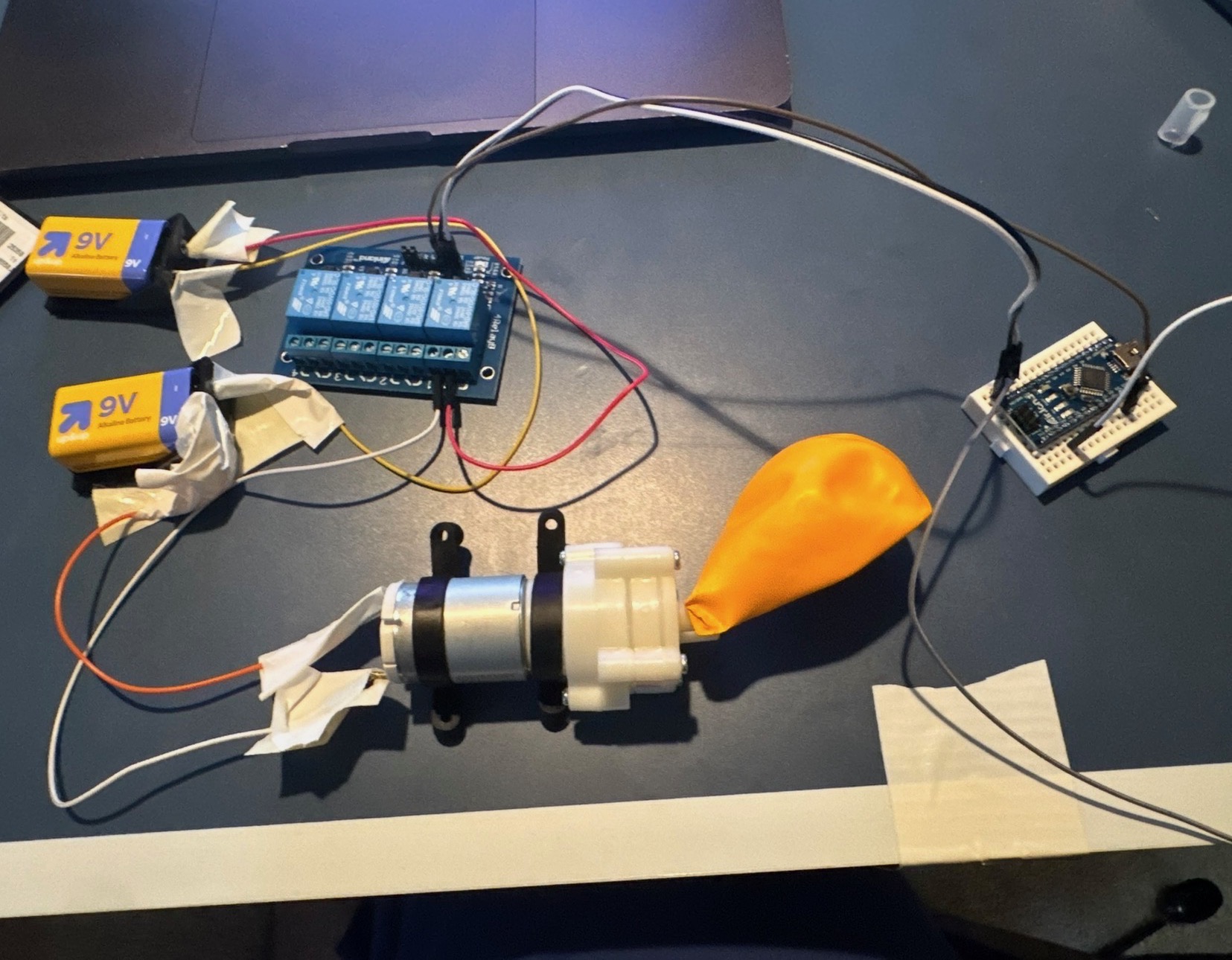
A compressor inflates the outer torus against the pipe wall in under one second, with a CO² cartridge as backup.* In bench-scale testing, the device retained 97% of water that would have escaped the breach.*
Capsules coordinate via localized underwater acoustic modems: no cellular signal, no human intervention. In simulation, a three-unit swarm is projected to seal three breaches across 2 km in under 90 minutes.*
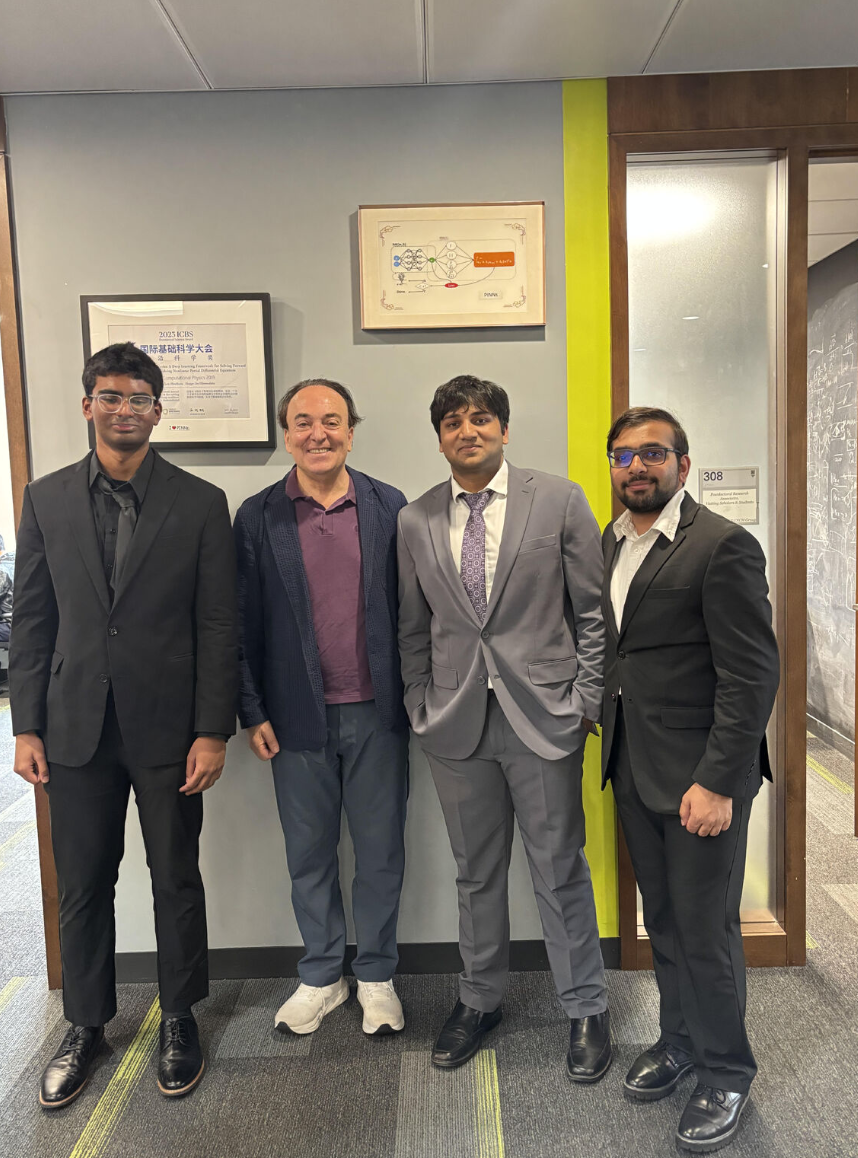
Invited talk to Prof. George Karniadakis and the CRUNCH group at Brown, June 27, 2026. CRUNCH is the lab where PINNs were first developed.
Top 100 globally out of 4,800 teams from 173 countries. One of 7 Virginia teams in the global Top 100.
Presented June 5, 2026, co-hosted by Oxford Said Business School, Oxford Smith School, UN OHCHR, and the Right Here Right Now Climate Alliance.
Top 80 of 600 submissions across 40+ countries. Advancing to the Global Championship Round at Harvard in Cambridge, MA, June 25–28, 2026.
Intellectual property protection in process for the core sealing mechanism.
Discussed the technology with experts from Duke University, Washington State University, and UIUC, and gained valuable feedback to improve the project.
97% water retention in bench-scale testing.* Full outer-ring inflation in under 1 second.* Three-unit swarm projected (in simulation) to seal 3 breaches across 2 km in under 90 minutes.*
Explore the technology, understand the mechanism, and meet the team.